
Donec efficitur, ligula ut lacinia
viverra, lorem lacus.
Donec efficitur, ligula ut lacinia
viverra, lorem lacus.

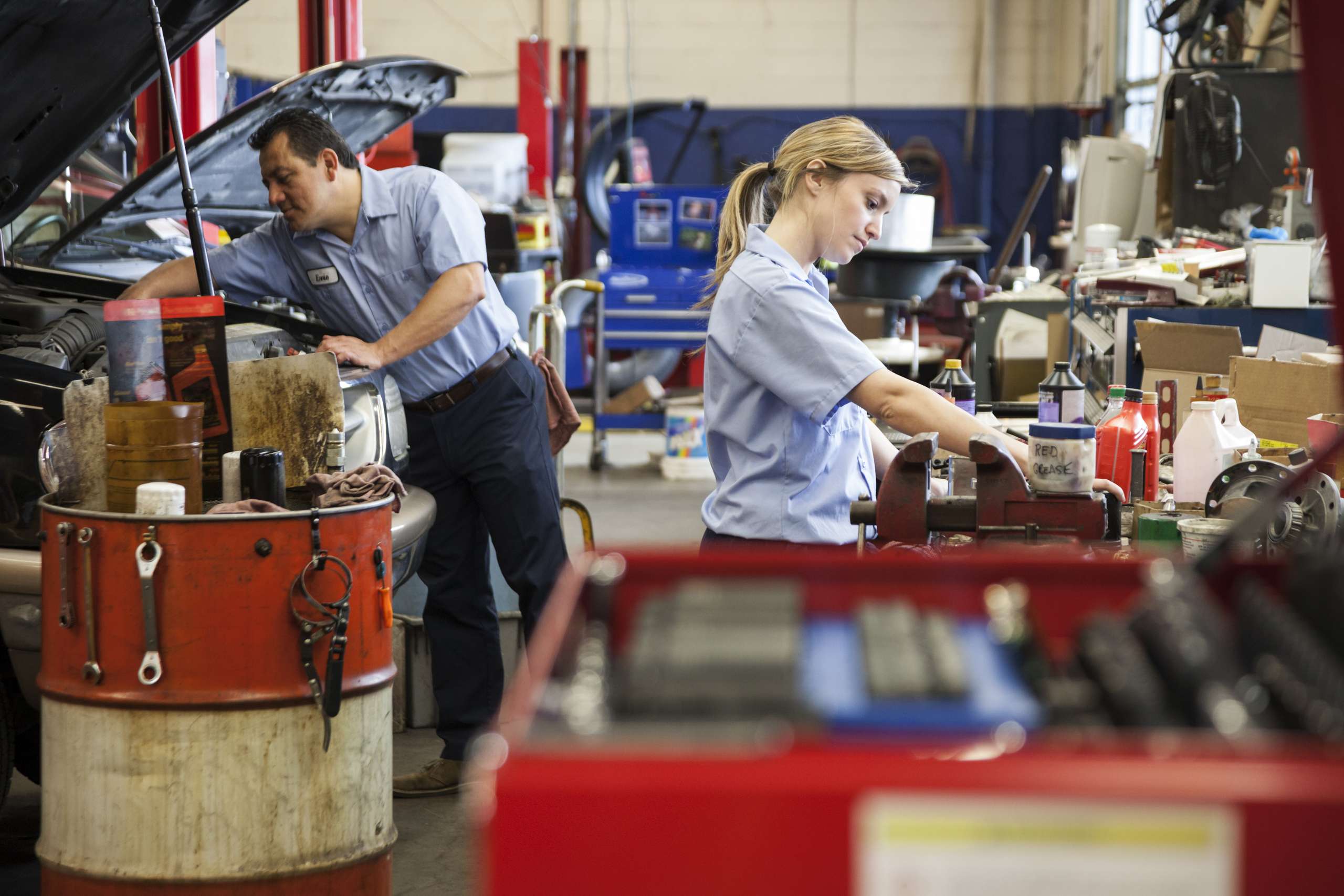
When you pop the bonnet, it’s easy to feel overwhelmed by a mass of metal, pipes and wiring. You don’t need to know what it all is, but you should try to get to know the basics by touch. Start with the bits that are easy to spot like the battery, the air filter box, the coolant expansion tank and the oil filler cap. Get your hands on them, follow the pipes, and check it against a basic drawing in a manual. This will help you to feel more at ease than simply learning the names, because your fingers and your eyes are beginning to develop a mental model of what’s in the engine bay.
This is also the point where many people go wrong. They watch a few videos of simple tasks being completed easily and try to tackle jobs like timing belt replacement or electrical system troubleshooting too early. This just ends in confusion and frustration. Begin with tasks that require disassembly but do not involve modifications to critical systems. Swap out an air filter or check the battery connections. If you find that something seems impossible to dislodge, stop and look to see how the part is retained. The keys to mechanical work are patience and observation. Nearly all broken parts are broken due to the use of speed rather than strength.
It’s not the amount of time that counts, it’s the frequency. I’d recommend setting a goal of 15 minutes, three or four days a week, to do one simple thing: tighten and loosen a bolt with the right amount of force, check your oil, or figure out how to properly connect a terminal. Leave the car cold for the first few days so you can focus on the process, not worrying about the hazards of running the engine. Eventually, these short periods of time will aid in the development of the tools becoming second nature, helping you work with them more confidently and avoid stripping a bolt or letting something fall.
When you hit a roadblock, the task has either become too routine or too difficult. If you find yourself bored, add an extra challenge like learning the names of parts without using the manual for reference. If you find yourself confused, back off a bit and go back to something a bit simpler and repeat until your hands move on autopilot. Mechanical knowledge is layered in the repetition; the more times you do something, the more your eye is trained to pick up details that you never noticed before like a worn-out belt or a loose clamp.
What most novices find is that confidence comes without fanfare, as a simple realization that popping a cover or reattaching a hose isn’t scary anymore, and that’s when you know you’re making progress. Through simple, repetitive tasks and exploration of how things fit together, the engine bay moves from an inscrutable labyrinth to a place where individual challenges can be overcome without anxiety.